

Vocational Training That Builds Real-World Independence
Hero Body
OPTIONS provides a structured vocational training program for young adults who need support developing workplace confidence, responsibility, and employment readiness after high school.
Through internships, vocational coaching, workplace readiness instruction, and real-world community experiences, students build the skills needed for greater independence, meaningful employment, and adult life.
Employment as a Pathway to Independence
Body
Many young adults with learning differences are capable of meaningful employment — but struggle with the executive functioning, communication, organization, and confidence required to succeed consistently in workplace environments.
Students may struggle with:
COLUMN 2
H2
Employment Is More Than a Job — It’s a Step Toward Independence
Body
Vocational development is part of a broader transition-to-adulthood model designed to help young adults become more capable, confident, and independent over time.
Employment experiences help students build:
✔️ Responsibility
✔️ Consistency
✔️ Communication skills
✔️ Problem-solving abilities
✔️ Workplace confidence
✔️ Self-awareness
✔️ Long-term independence
Students learn through real-world experiences while receiving the structure, coaching, and accountability needed to grow successfully.
As confidence increases, support gradually fades — helping students move toward greater independence in both work and daily life.
Learn best through hands-on experience
Benefit from structured workplace coaching
Want to build independence through employment
Are motivated by routine, purpose, and contribution
Employment Requires More Than Ability Alone
Many young adults with learning differences are capable of meaningful employment — but struggle with the executive functioning, communication, organization, and confidence required to succeed consistently in workplace environments.
Students may struggle with:
The vocational pathway at OPTIONS provides structured real-world coaching and progressive independence to help students build the skills required for long-term workplace success.
Employment Is More Than a Job — It’s a Step Toward Independence
Vocational development is part of a broader transition-to-adulthood model designed to help young adults become more capable, confident, and independent over time.
Employment experiences help students build:
How the Vocational Program Works
Students participate in a structured progression of experiences designed to build workplace readiness gradually.
These experiences may include:
• career exploration
• vocational seminars
• community internships
• supported employment
• competitive employment opportunities
Each step allows students to build confidence, responsibility, and professional skills while receiving appropriate levels of guidance and coaching.
Many students also participate in the internship program for students with learning disabilities, where they gain hands-on experience in real workplace environments.
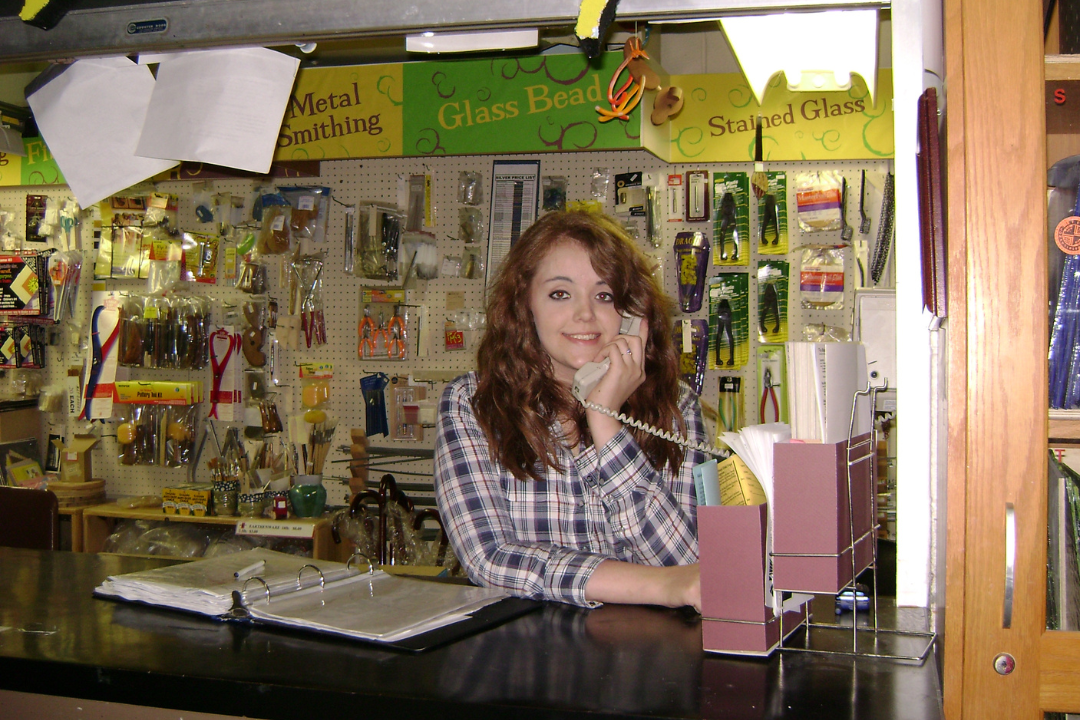
Vocational Seminars: Preparing for the Workplace
Before entering internships or employment settings, students participate in structured vocational seminars.
These seminars focus on developing the professional skills required for workplace success.
Students learn how to:
-
explore potential career interests
-
develop resumes and professional portfolios
-
practice interviewing and job-search strategies
-
understand workplace expectations and responsibilities
-
communicate effectively in professional environments
These seminars complement the executive functioning and study skills program after high school, which helps students develop planning systems and organizational habits that carry over into the workplace.

Real Work Experience Through Internships
Internships are a central component of the vocational program.
Students are placed in community-based internship settings where they can practice workplace skills in real environments.
These experiences help students develop:
-
reliability and punctuality
-
communication with supervisors
-
task completion and follow-through
-
problem-solving in real work situations
-
workplace confidence and independence
Students interested in these hands-on experiences can explore the supported internship program for students with learning disabilities, where internships are monitored and supported by vocational staff.
Vocational Coaching and Individualized Support
Every student’s vocational pathway is individualized.
Vocational counselors work closely with students to:
-
identify strengths and interests
-
select appropriate internship or work experiences
-
prepare students for workplace expectations
-
provide coaching and feedback
-
help students problem-solve challenges in real work environments
These supports are integrated with the broader three-phase transition program model, where students gradually assume more responsibility and independence over time.
Students also apply workplace skills within the independent living program for young adults with learning disabilities, where daily responsibilities reinforce accountability, time management, and self-management.
Who the Vocational Pathway Is Designed For
The vocational program may be a strong fit for young adults who:
-
want to pursue employment after high school
-
benefit from hands-on learning environments
-
struggle with workplace organization or follow-through
-
need coaching to build confidence in professional environments
-
want to explore career interests before committing to college
Some students follow a fully vocational pathway, while others combine vocational experiences with the college transition program for young adults with learning disabilities as they continue exploring their goals.
What If My Student Has Never Held a Job?
Many students entering OPTIONS have limited or no prior work experience.
The vocational program provides a structured environment where students can gradually build confidence and workplace skills without being expected to succeed independently from the start.
With coaching, feedback, and real-world practice, students begin to develop the habits that support long-term employment success.
Families who want to learn whether this pathway may be appropriate can review the admissions process for our post-secondary transition program or speak directly with the admissions team.
Vocational Coaching and Individualized Support
The vocational program emphasizes the habits that employers consistently expect from reliable employees.
Students learn to build skills such as:
-
responsibility and accountability
-
time management and punctuality
-
communication with supervisors
-
persistence when tasks become challenging
-
adaptability in workplace environments
By practicing these skills consistently in real work settings, students develop confidence and readiness for future employment.
Explore the Vocational Pathway at OPTIONS
For many young adults, meaningful employment becomes a key step toward independence.
The vocational training program at OPTIONS helps students develop the professional skills, work experience, and confidence needed to move toward adult employment.
A clearer path forward starts with understanding fit, not forcing another failed transition.