

College Transition Program for Young Adults With Learning Disabilities
Many young adults with learning disabilities, ADHD, and executive functioning challenges are fully capable of succeeding in college coursework — but struggle with the independence required to manage schedules, assignments, communication, and daily responsibilities on their own.
For many families, the challenge is not intelligence or academic ability.
It’s the sudden expectation that students independently manage every aspect of college life without the systems, accountability, and support they still need.
The College Transition Track at OPTIONS provides a structured bridge between high school and independent higher education.
Students take real college classes through a partnership with John A. Logan College while continuing to receive executive functioning support, academic coaching, accountability, and individualized guidance from the OPTIONS team.
Rather than expecting students to immediately navigate college demands alone, OPTIONS helps students gradually build the planning systems, self-management skills, confidence, and independence required for long-term success.
For families searching for a college support program for students with learning disabilities, OPTIONS offers a college-connected environment where support intentionally decreases as independence increases.
A Proven enviroment for Building Independence
Real College Classes
Students enroll in authentic college coursework through John A. Logan College.
Executive Functioning Support
Daily coaching helps students strengthen planning, organization, and follow-through.
Structured Accountability
Students receive ongoing guidance across academics, routines, and independent living.
Gradual Independence
Support decreases over time as students build confidence and self-management skills.

A Structured College Support Program — Not Just Accommodations
Traditional colleges often provide academic accommodations, but many students still struggle with the independence required to successfully manage college life.
Even highly capable students may experience difficulty with:
At OPTIONS, students receive ongoing support while participating in authentic college coursework.
Real College Coursework With Structured Academic Support
Students in the College Transition Track take credit-bearing college classes through John A. Logan College while continuing to live within the structured support environment at OPTIONS.
Unlike traditional college environments where support may be limited outside the classroom, OPTIONS provides coordinated oversight across academic, residential, and executive functioning domains.
Students experience real college expectations while still benefiting from consistent guidance and accountability.
This structure allows students to practice independence in authentic academic settings while reducing the overwhelm that often accompanies unsupported college transitions.
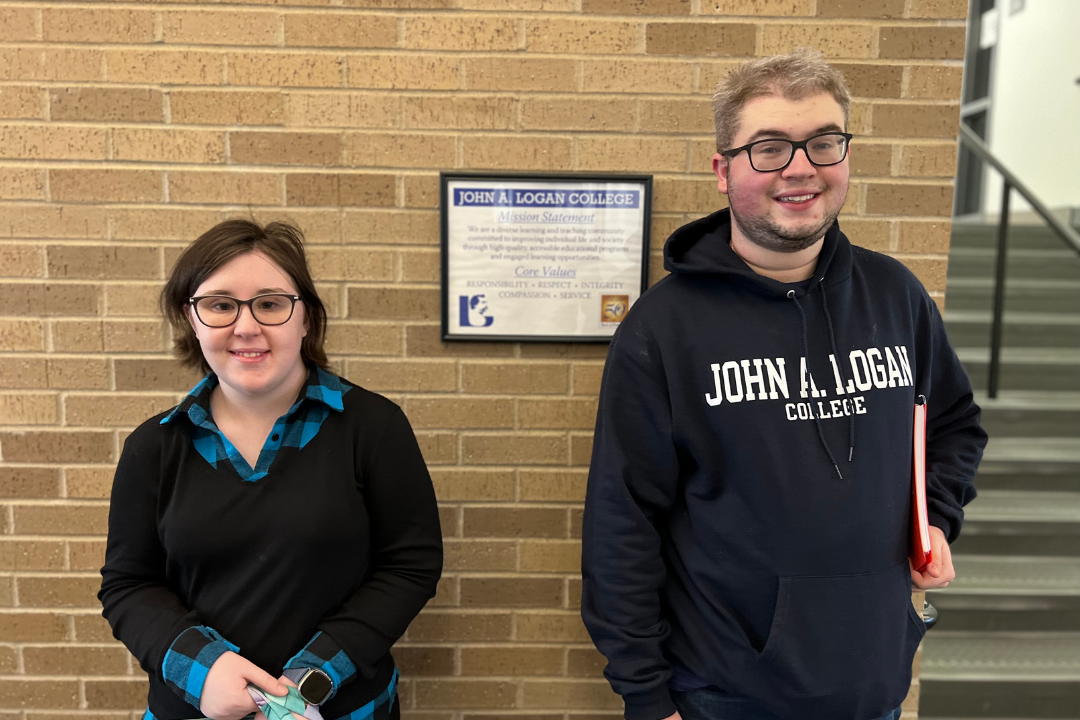
Real College Expectations With Ongoing Support
Students participate in authentic college coursework while continuing to receive executive functioning support, academic coaching, accountability, and individualized guidance from the OPTIO
Executive Functioning Support for College Students
Success in college often depends less on intelligence and more on the ability to consistently manage responsibilities independently.
Many students struggle not because they lack academic ability, but because they need stronger systems for:
Students in the College Transition Track receive structured executive functioning support designed to strengthen these skills over time.
Planning & Organization
Students learn how to manage assignments, schedules, deadlines, and competing responsibilities using structured planning systems and daily accountability.
Time Management & Follow-Through
Coaching helps students develop routines, prioritize responsibilities, and improve consistency in completing academic and daily living tasks.
Self-Advocacy & Communication
Students strengthen communication skills while learning how to advocate for accommodations, ask questions, and engage professionally with instructors.
Support
Systems
Independence
The goal is not permanent support.The goal is helping students gradually build the systems and confidence required for long-term independence in college and adult life.
College Liaison Support and Academic Oversight
Each student in the College Transition Track works closely with a dedicated College Liaison who helps bridge communication between OPTIONS and the college environment.
The College Liaison helps students navigate:
Course Selection
Students receive guidance selecting courses that align with their academic readiness, strengths, and long-term goals.
Accommodations
Students receive support understanding, requesting, and utilizing academic accommodations appropriately.
Professor Communication
Coaching helps students build confidence communicating professionally with instructors and asking for support when needed.
Academic Monitoring
The College Liaison monitors progress, identifies challenges early, and helps students remain accountable.
Problem Solving
Students receive guidance navigating academic obstacles, scheduling concerns, and college-related responsibilitie
The liaison also monitors academic performance and collaborates regularly with the OPTIONS team to ensure students receive coordinated support across all program areas.
This model allows students to develop greater independence while still benefiting from professional oversight during the transition to college life.
A College-Connected Environment With Real-World Experience
OPTIONS is located in Carbondale, Illinois, near both John A. Logan College and Southern Illinois University.
Students experience:
This is not a simulated college environment.
Students practice independence in authentic academic and community settings while receiving structured support designed to gradually decrease over time.

From Community College to University Transition
For students who demonstrate readiness, the college pathway may extend beyond community college coursework.
Students in the Extension Phase may transition to classes at Southern Illinois University while continuing to receive support and oversight from the OPTIONS team.
Community College Coursework
Students begin taking real college classes while receiving structured support and accountability.
Executive Functioning Growth
Students strengthen organization, planning, communication, and independent learning systems over time.
University Transition Support
Students may gradually transition to Southern Illinois University coursework with continued oversight and guidance.
Greater Independence
Support fades gradually as students demonstrate increased responsibility, confidence, and self-management.
Building Independence Through the Three-Phase Transition Model
College participation at OPTIONS is integrated into the broader post-secondary transition program.
Phase 1 — Structured Foundation
Students build routines, accountability, executive functioning systems, and independent living skills within a highly supported environment.
Phase 2 — Guided Independence
Students begin practicing greater independence while continuing to receive structured coaching, oversight, and academic support.
Phase 3 — Transition & Extension
Students transition toward increasingly independent college, vocational, and community participation with reduced support.
Who Is the College Transition Track Designed For?
The College Transition Track may be a strong fit for students who:
Many students entering the program are bright, capable young adults who need additional structure while developing the independence required for long-term success.
“OPTIONS helped our son transition from feeling overwhelmed by college expectations to feeling capable, confident, and independent. The combination of structure, accountability, and real college participation made all the difference.”
Taking College Classes at John A. Logan College
OPTIONS partners with John A. Logan College (JALC) to provide students with access to credit-bearing college courses.
Students who demonstrate readiness may begin taking JALC classes as early as their second semester while continuing to live and participate in the structured environment at OPTIONS.
Course selection is carefully planned based on:
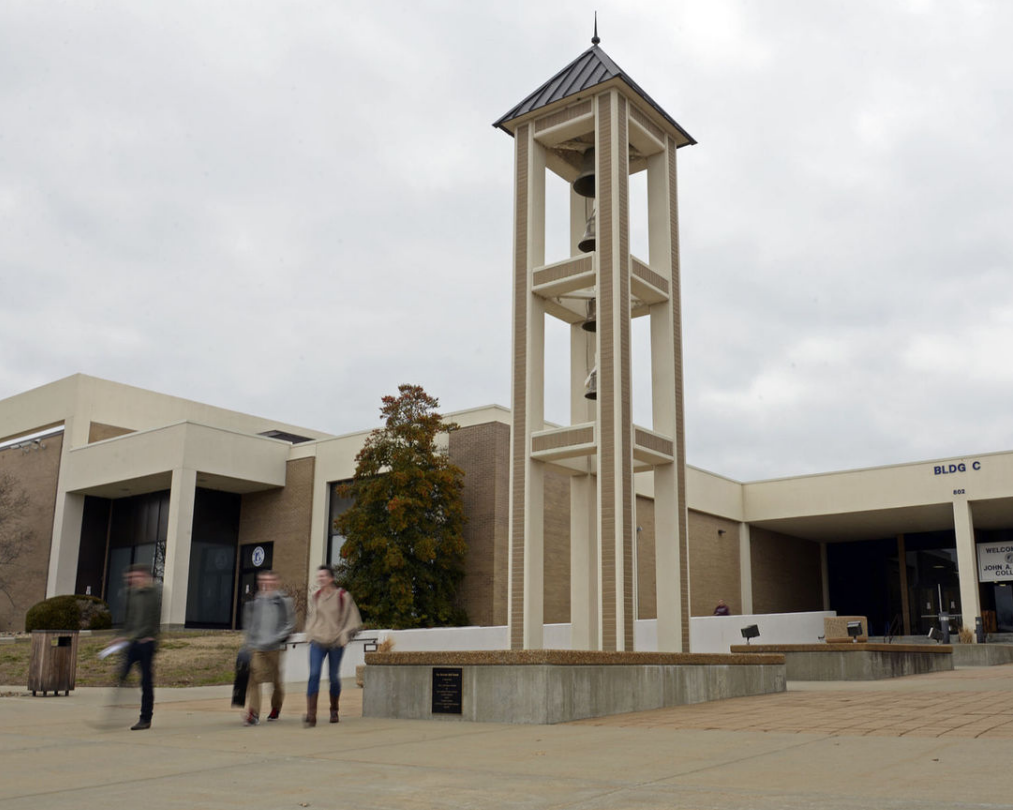
John A. Logan College
Students continue strengthening academic strategies while participating in the three-phase transition program model, where independence increases gradually over time.
Ongoing Support for College Success
From the first class to final exams, students receive consistent support designed to promote success while reducing overwhelm.
Support includes:
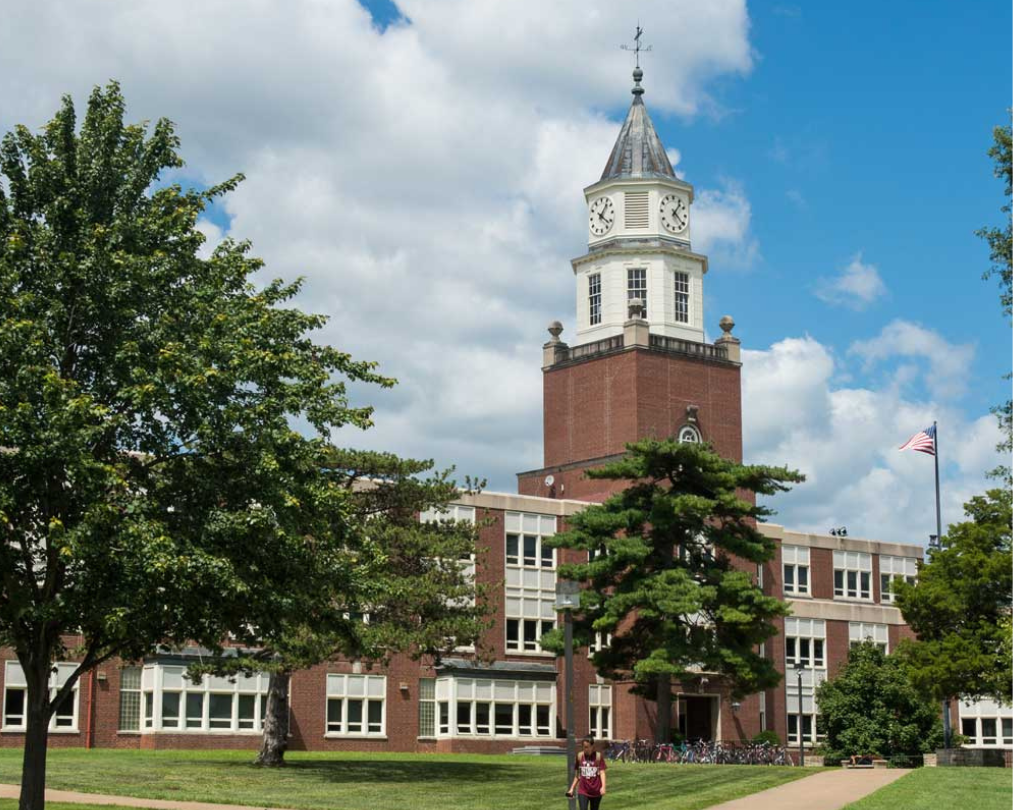
Southern Illinois University in Carbondale
Academic support is coordinated across the OPTIONS team to ensure students receive consistent guidance and accountability.
Students also apply these skills through the executive functioning and study skills program after high school, where organization and planning strategies are practiced daily.
Start Exploring the College Transition Track
The College Transition Track helps students experience real college coursework while building the academic systems required for independence.
Families who want to learn whether this pathway may be a good fit can explore the admissions process for our post-secondary transition program or start a conversation with the admissions team.