

A Structured Path to Independence After High School
For young adults (18–25) with learning differences who are capable—but not yet fully independent.
OPTIONS is a college-connected transition program that helps students build the academic, vocational, and life skills needed to succeed in adulthood.
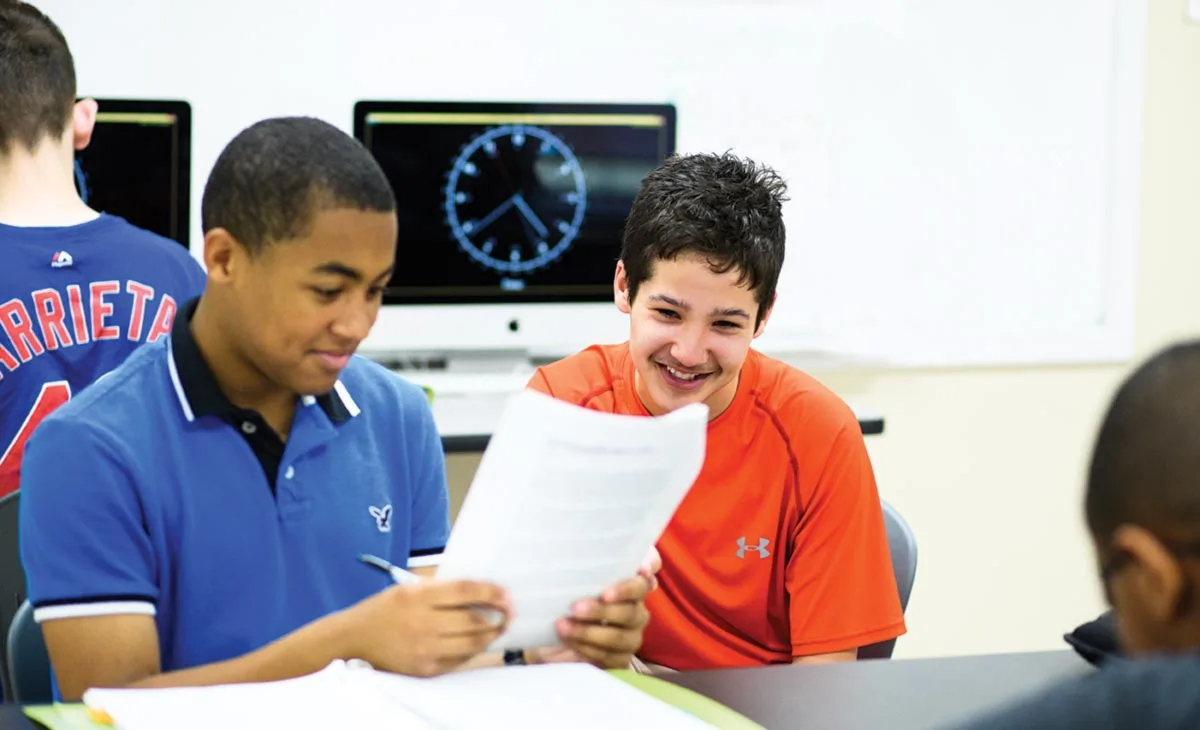
When High School Ends, Structure Disappears
Many students graduate understanding their learning differences. What they haven’t yet mastered is managing them independently.
Without built-in structure, even capable students can struggle with:
This is where the transition often breaks down.
Who OPTIONS Is Designed For
OPTIONS serves young adults who are capable, motivated, and ready for adulthood—but still developing the systems needed to manage it independently.
This is where the transition often breaks down.
Capable — but Inconsistent.
Capable — but Inconsistent.
Ready — but Not Yet Independent.
Carbondale Transition Program
An educational resource about carbondale transition program and how families can evaluate program fit, readiness, real-world practice, and progression toward independence.
Midwest Transition Program
An educational resource about midwest transition program and how families can evaluate program fit, readiness, real-world practice, and progression toward independence.
Illinois Transition Program
An educational resource about illinois transition program and how families can evaluate program fit, readiness, real-world practice, and progression toward independence.
College Readiness for Learning Disabilities
An educational resource about college readiness for learning disabilities and how families can evaluate program fit, readiness, real-world practice, and progression toward independence.
Transition Programs After High School
An educational resource about transition programs after high school and how families can evaluate program fit, readiness, real-world practice, and progression toward independence.
Transition Programs for Young Adults With ADHD
An educational resource about transition programs for young adults with adhd and how families can evaluate program fit, readiness, real-world practice, and progression toward independence.
Life Skills Programs for Young Adults
An educational resource about life skills programs for young adults and how families can evaluate program fit, readiness, real-world practice, and progression toward independence.
Vocational Training for Learning Disabilities
An educational resource about vocational training for learning disabilities and how families can evaluate program fit, readiness, real-world practice, and progression toward independence.
Executive Function Programs for Young Adults
An educational resource about executive function programs for young adults and how families can evaluate program fit, readiness, real-world practice, and progression toward independence.
Independent Living Programs for Young Adults
An educational resource about independent living programs for young adults and how families can evaluate program fit, readiness, real-world practice, and progression toward independence.
An Integrated System for Building Independence
Independence is built through consistent practice across four connected areas.
Academic Readiness
Build executive functioning, study systems, and readiness for college or training.
Vocational Development
Develop workplace skills, career direction, and professional habits.
Communication & Self-Advocacy
Strengthen communication, processing, and self-advocacy skills.
Independent Living
Practice routines, organization, budgeting, and daily responsibility.
A Structured Progression Toward Independence
Students move forward based on demonstrated independence—not time alone.
Standard Phase
Structured support and foundational skill-building.
Modified Phase
Increased independence and responsibility.
Extension Phase
Preparation for fully independent adult life.
Real-World Environments. Real-Life Experience.
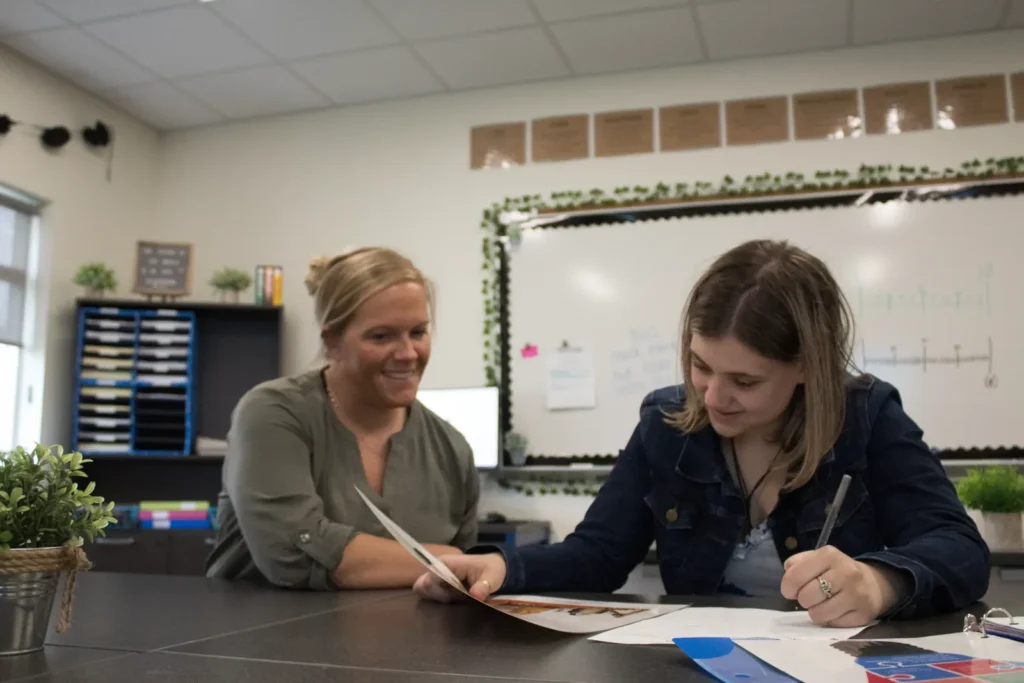
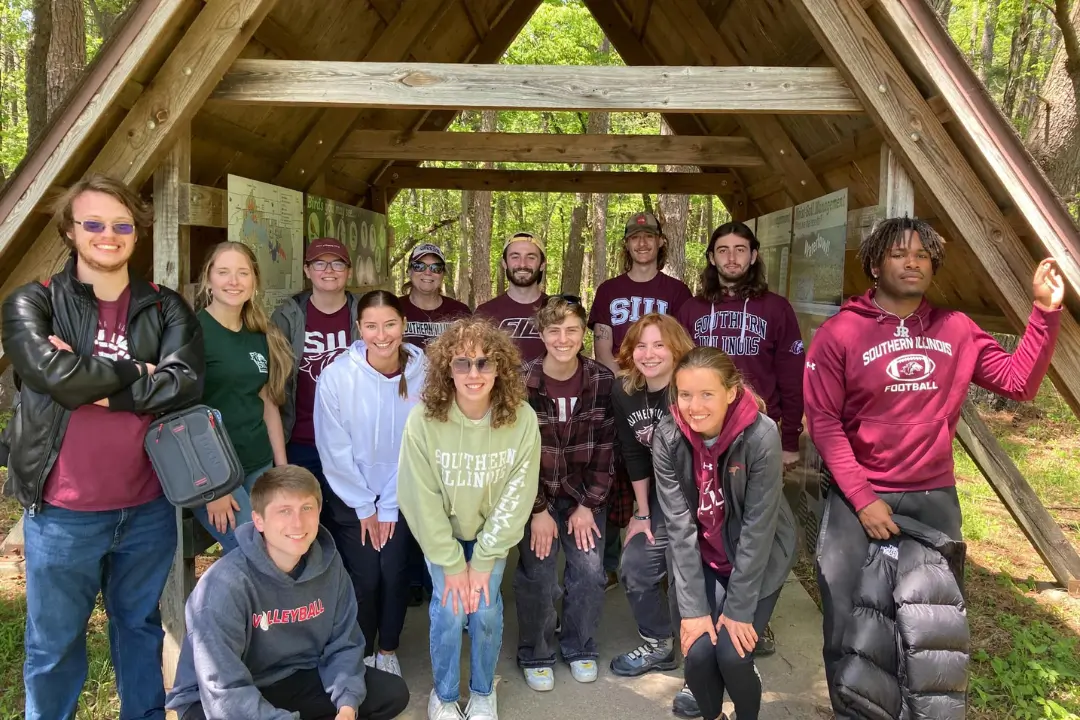
Students live in apartments and engage with real colleges, workplaces, and communities.
What Students Gain
“OPTIONS impacted my life in a big way. Working with a speech and language pathologist in both group and individual sessions has vastly improved my language skills. I live on my own and use the strategies I’ve learned to find solutions for my daily issues.
— Cassidy, Former Student
“OPTIONS impacted my life in a big way. Working with a speech and language pathologist in both group and individual sessions has vastly improved my language skills. I live on my own and use the strategies I’ve learned to find solutions for my daily issues.
Families Remain Important Partners
Why Families Choose OPTIONS
A Clear Progression Model
A structured path where support fades as independence grows.
Integrated Development
Academic, vocational, communication, and life skills work together.
Real Adult Environments
Students practice independence where it actually matters.
Frequently Asked Questions
What is a transition program after high school?
A transition program after high school helps young adults develop the academic, employment, communication, and independent living skills needed for adult life. These programs are designed for students who have completed high school but benefit from continued structure while building greater independence.
Who is a post-secondary transition program designed for?
A post-secondary transition program is designed for students who have completed high school but still benefit from support while developing independence. Many are capable and motivated but need additional practice with executive functioning, college readiness, self-advocacy, employment skills, or daily living responsibilities.
How is OPTIONS different from another year of high school?
OPTIONS is not designed to recreate high school. It is a structured bridge to adulthood where students practice responsibility in real academic, vocational, residential, and community environments. The focus is on measurable independence, not simply continued support.
Does OPTIONS support college-bound students?
Yes. OPTIONS supports students who are preparing for college coursework, vocational pathways, employment, or a combination of goals. Students receive structured support while developing the executive functioning, communication, and independent living skills needed to succeed in adult environments.
Does every student follow the same path?
No. Each student’s path is individualized based on readiness, strengths, goals, and performance. While all students move within a structured program model, the pace and combination of supports vary by student.
Is OPTIONS the Right Next Step After High School?
Choosing the next step after high school can feel overwhelming, especially when a student is capable but still needs structure to build independence.
Admissions conversations are not about pressure or persuasion. They are designed to help families determine whether a structured transition program after high school for students with learning disabilities is the right fit for this stage.
Admissions consultations are confidential and designed to help families understand their options.