

College-Connected Transition Program in Illinois
OPTIONS offers a college-connected transition program in Illinois for young adults with learning disabilities, ADHD, executive functioning challenges, and other learning differences who need structured support after high school. Located in Carbondale, OPTIONS places students in a real-world environment near Southern Illinois University and John A. Logan College, where they can build independence through academics, vocational experiences, and apartment-based living.
This is not a closed campus model or a simulated life-skills setting. Students practice adulthood in the same kinds of environments they will need to navigate after graduation: college campuses, workplaces, apartments, recreation spaces, and the local community. With structured support that gradually fades across program phases, OPTIONS helps each student move toward their personal level of independence while staying connected to a team that understands how neurodiverse young adults learn, grow, and succeed.
College-Connected Transition Program in Illinois
For many families, the biggest question after high school is not simply, “What program is available?” It is, “What kind of environment will actually help my young adult grow up safely, successfully, and realistically?”
OPTIONS answers that question with a college-connected transition program in Illinois designed for young adults who need more structure than a traditional college setting, but more real-world engagement than a closed campus or purely therapeutic model. In Carbondale, students live and learn in a community that supports academic growth, vocational development, and independent living in one integrated system.
What Life Actually Looks Like Here
A typical day doesn’t happen inside a single building.
Students move through the same environments they’ll navigate after the program—learning independence through repetition, responsibility, and real-world experience.
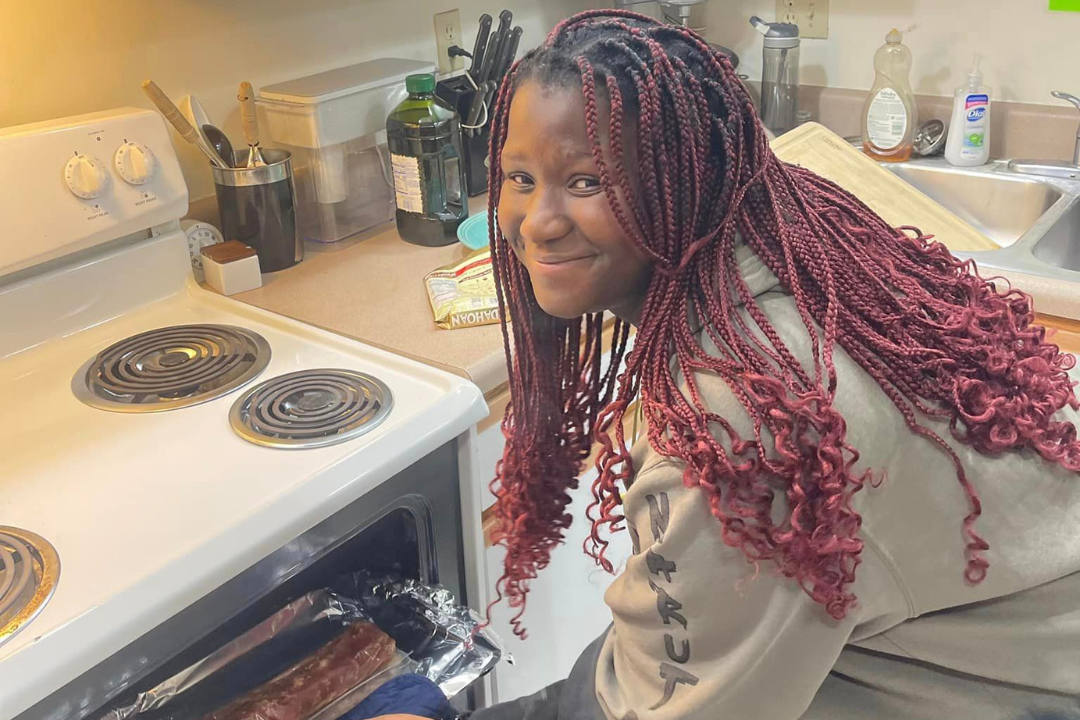
Morning
Students wake up in their apartments, manage routines, prepare meals, and organize their schedules for the day.
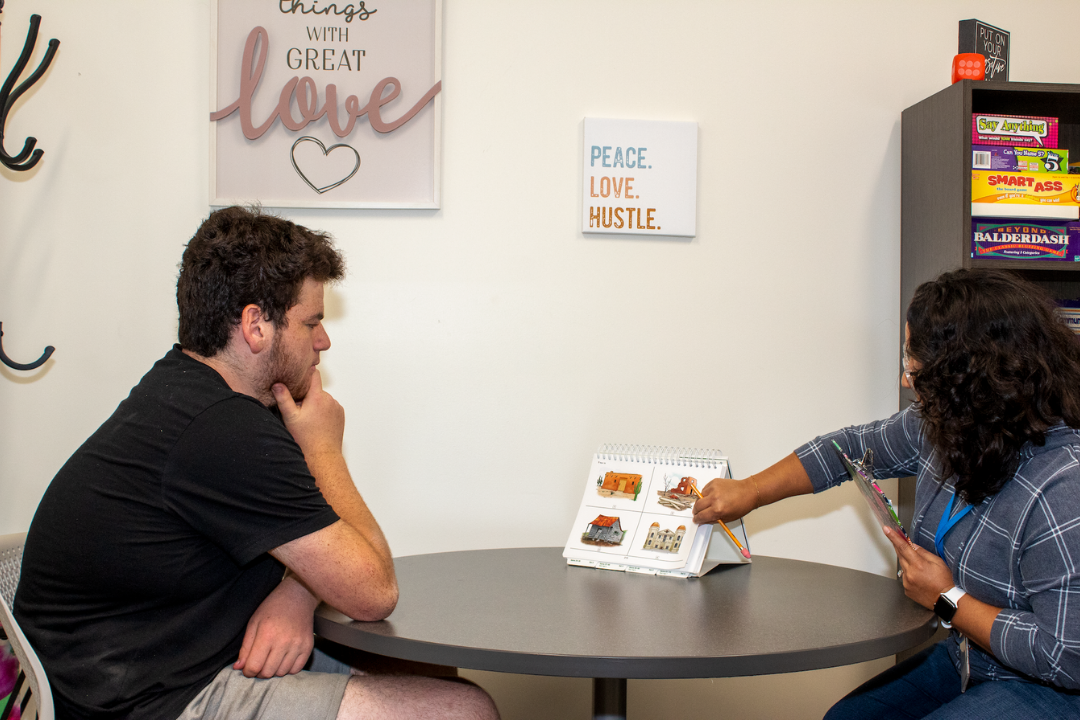
Midday
Students attend classes, receive support, and build academic and executive functioning skills.
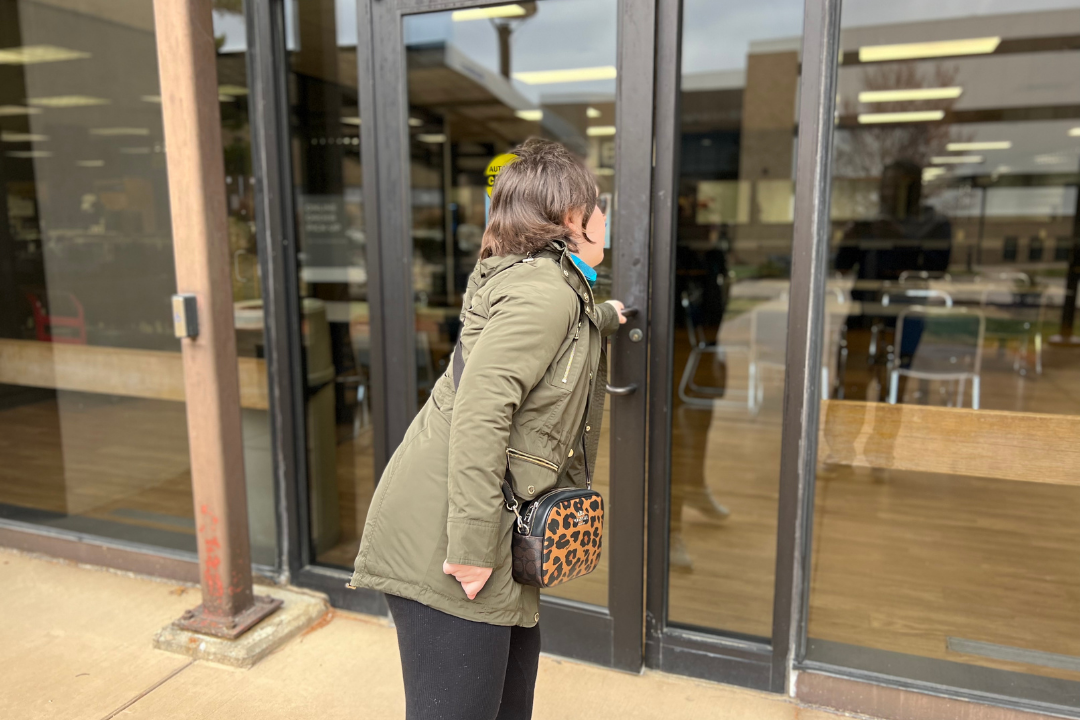
Afternoon
Students navigate internships, transportation, errands, and community responsibilities.
Evening
Students return home, manage responsibilities, prepare meals, and make independent decisions.
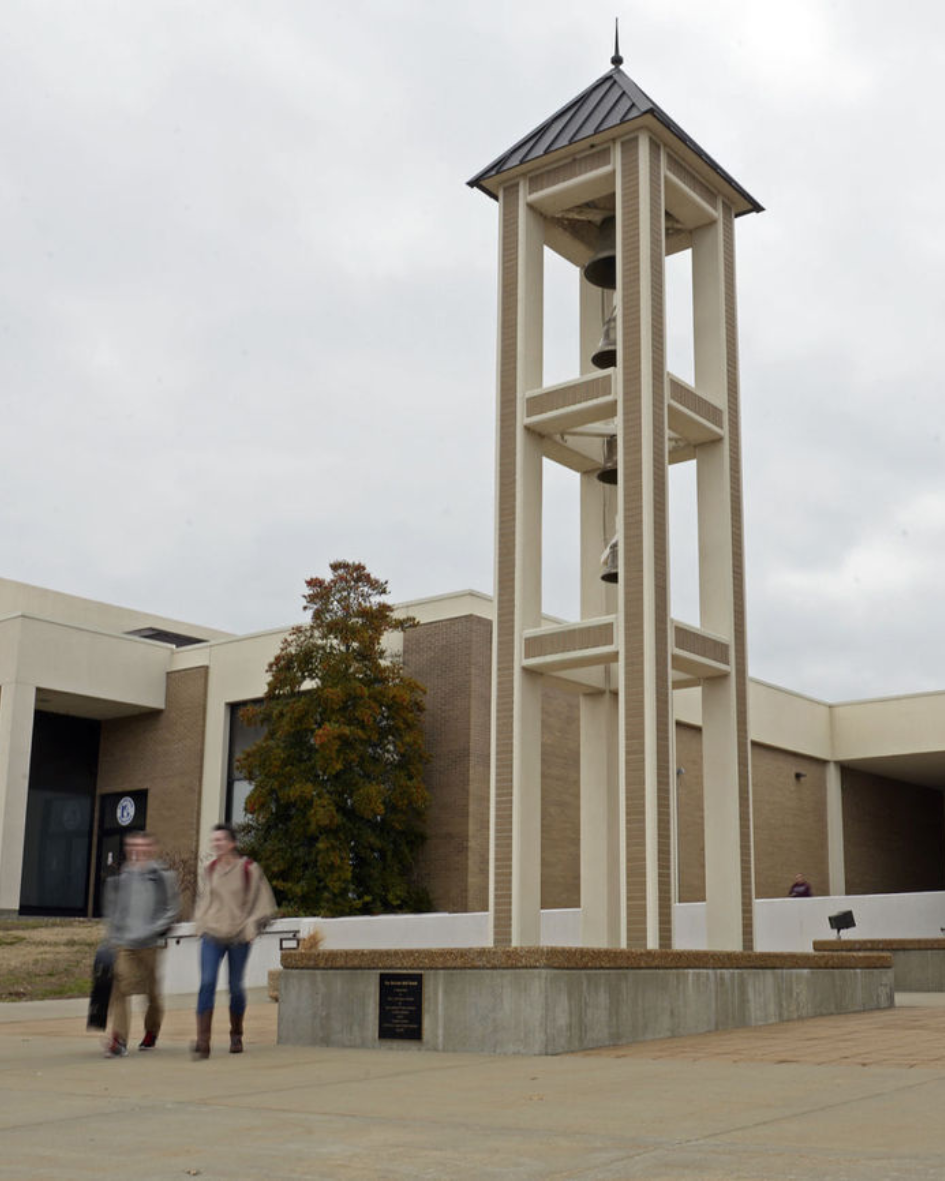
A College-Connected Environment in Carbondale, Illinois
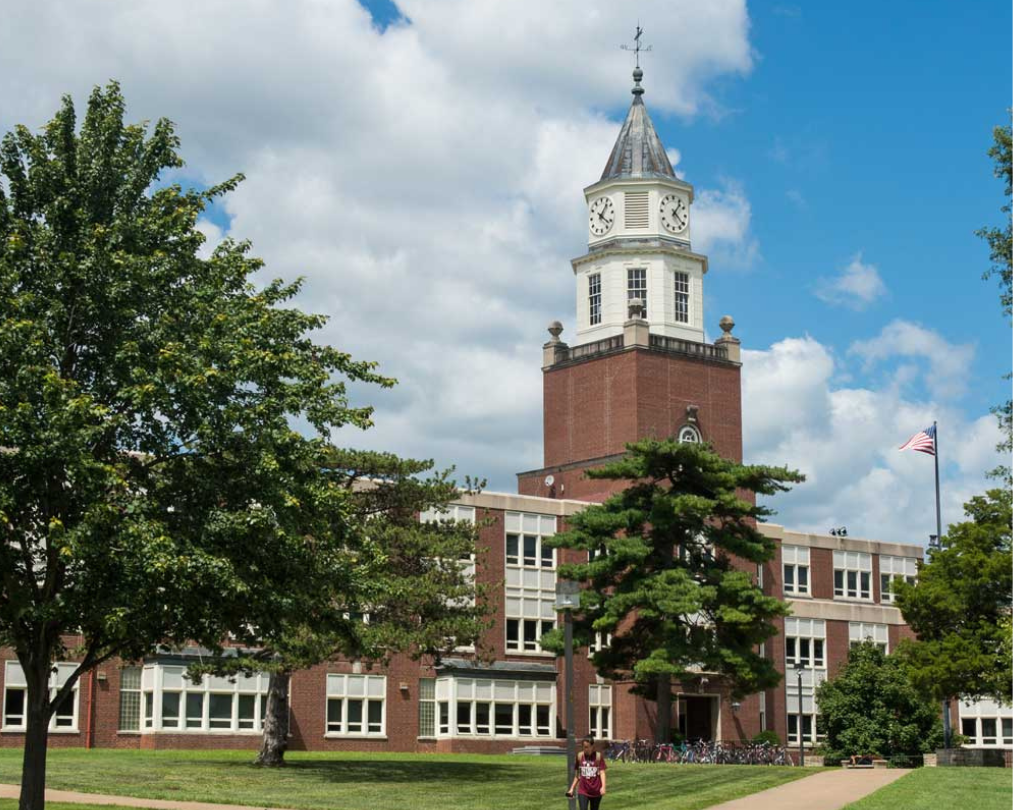
OPTIONS is located in a true college town, providing students with daily exposure to the routines and expectations of adult life.
Students are surrounded by colleges, local businesses, transportation systems, recreation, and community activity—all within an environment that supports gradual independence.
This is not a closed-campus model.
Students build independence in the same environments they will use after the program.

Apartment-Based Living That Builds Real Independence
Students live in apartments—not dorms—because independence is built through daily responsibility.
Support Without Separation From the Real World
Students are supported—but not removed from real life.
They learn to function in the same environments they will navigate after the program while receiving structured guidance, feedback, and accountability.
Classrooms
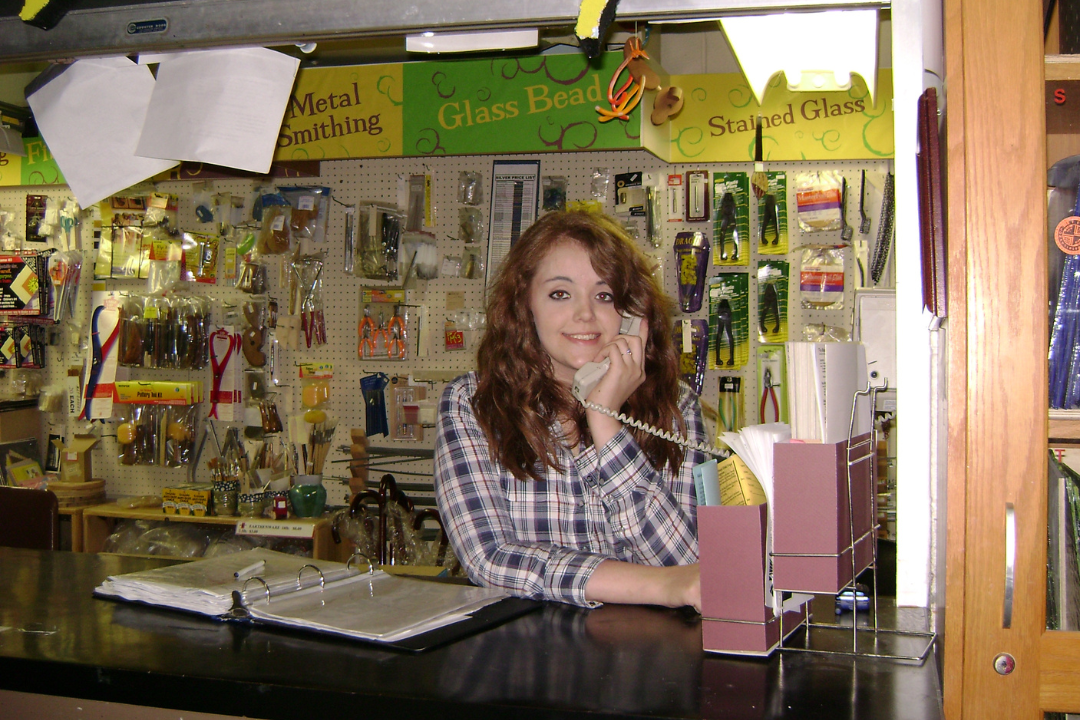
Workplaces
Community Environments
Support remains—but gradually fades as independence grows.
A Proven enviroment for Building Independence
30 + Years
Supporting Young Adults
3 Phases
Structured Independence
Apartment Living
Real-World Residential Model
Team-Based Support
Weekly Student Progress Reviews
A College-Connected Setting in Carbondale, Illinois
OPTIONS is located in Carbondale, Illinois, a college-town environment that gives students access to meaningful adult experiences without the intensity of a large urban campus. This setting helps students gradually increase independence while staying connected to structured support.
Carbondale allows OPTIONS students to participate in:
-
college-connected experiences
-
community-based vocational opportunities
-
apartment-style living
-
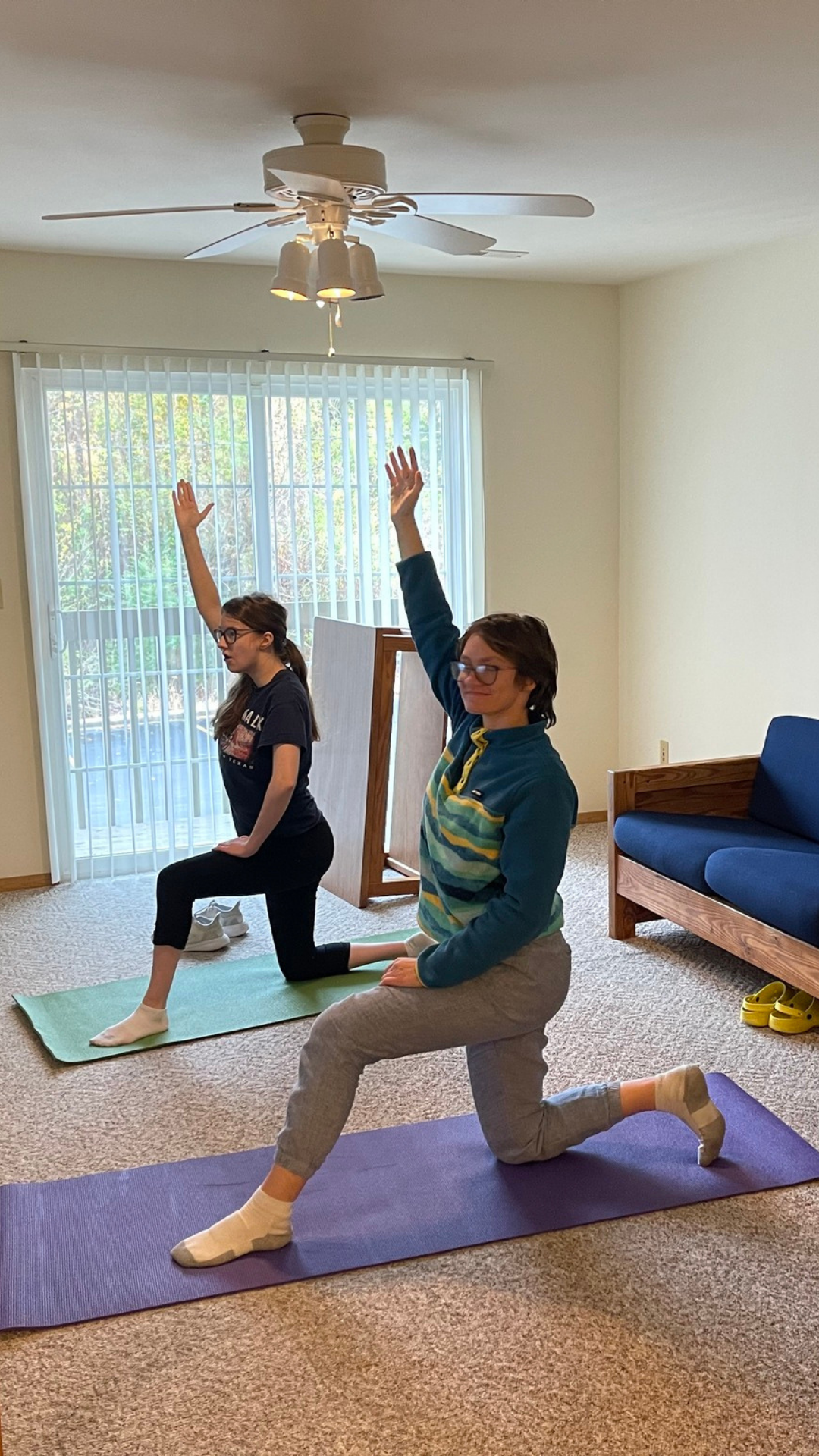
local recreation and social engagement
-
everyday routines tied to transportation, scheduling, and self-management
This makes the campus environment a practical bridge between high school support and adult life.
Access to Southern Illinois University and John A. Logan College
One of the strongest differentiators of the OPTIONS campus is its proximity to both Southern Illinois University and John A. Logan College. Students are not separated from college life. They are positioned near it and, when appropriate, supported into it.
For students on a college-oriented path, this environment supports:
-
exposure to authentic college expectations
-
gradual transition into college coursework
-
access to a real college community
-
stronger motivation through visible adult pathways
-
better alignment between academic readiness and daily life skills
This college-connected positioning is especially important for families who want more than remediation. They want a bridge to adulthood that keeps college, employment, and independence in view.
Your Title Goes Here
Your content goes here. Edit or remove this text inline or in the module Content settings. You can also style every aspect of this content in the module Design settings and even apply custom CSS to this text in the module Advanced settings.
Apartment-Based Living That Builds Real Independence
OPTIONS uses an apartment-based living model because adulthood is learned through practice. Students are supported as they manage daily living responsibilities such as meal planning, cooking, cleanliness, organization, budgeting, routines, and study expectations.
Rather than relying on a dorm-style environment that removes responsibility, students practice living skills in a setting that more closely resembles adult life after program completion. Support remains present, but it is designed to fade as students demonstrate readiness.
This structure helps students move from dependence toward confidence, with support calibrated to their current phase and demonstrated performance.
Community Access, Transportation, and Daily Life Practice
A strong transition campus should not isolate students from adult environments. OPTIONS places students in a community where they can apply skills across settings and build competence through repetition.
Students may practice:
-
getting to appointments and activities
-
managing schedules across academics and community commitments
-
participating in internships or vocational placements
-
using recreation and community spaces appropriately
-
making day-to-day decisions with increasing independence
This creates a more transferable kind of growth. Students are not just learning concepts. They are learning how to function in real adult contexts.
A Structured Environment With Real-World Expectations
Parents often worry about two risks at once: too much freedom too soon, or too much support for too long. The OPTIONS campus model addresses both.
The environment is structured, but it is not artificial. Students receive support through a phased model that adjusts as independence increases. The goal is not permanent supervision. The goal is measurable progress toward each student’s personal level of independence.
supported enough to feel safe, real enough to create growth.
Who Thrives in This Campus Model
A community That Supports More than just Academics
Student engage in:
Independence is built across all areas of life

Visit the OPTIONS Campus
Families evaluating a post-secondary transition program often need to see the environment to understand the difference between “supportive” and “overprotective,” or between “real-world” and “under-supported.”
A campus visit helps families evaluate:
-
the surrounding community
-
apartment-based living expectations
-
proximity to college resources
-
how structure and independence work together
-
whether the setting matches the student’s readiness and goals
Admissions consultations are confidential and designed to help families understand their options.
Green Spaces, Community Trails & Outdoor Access
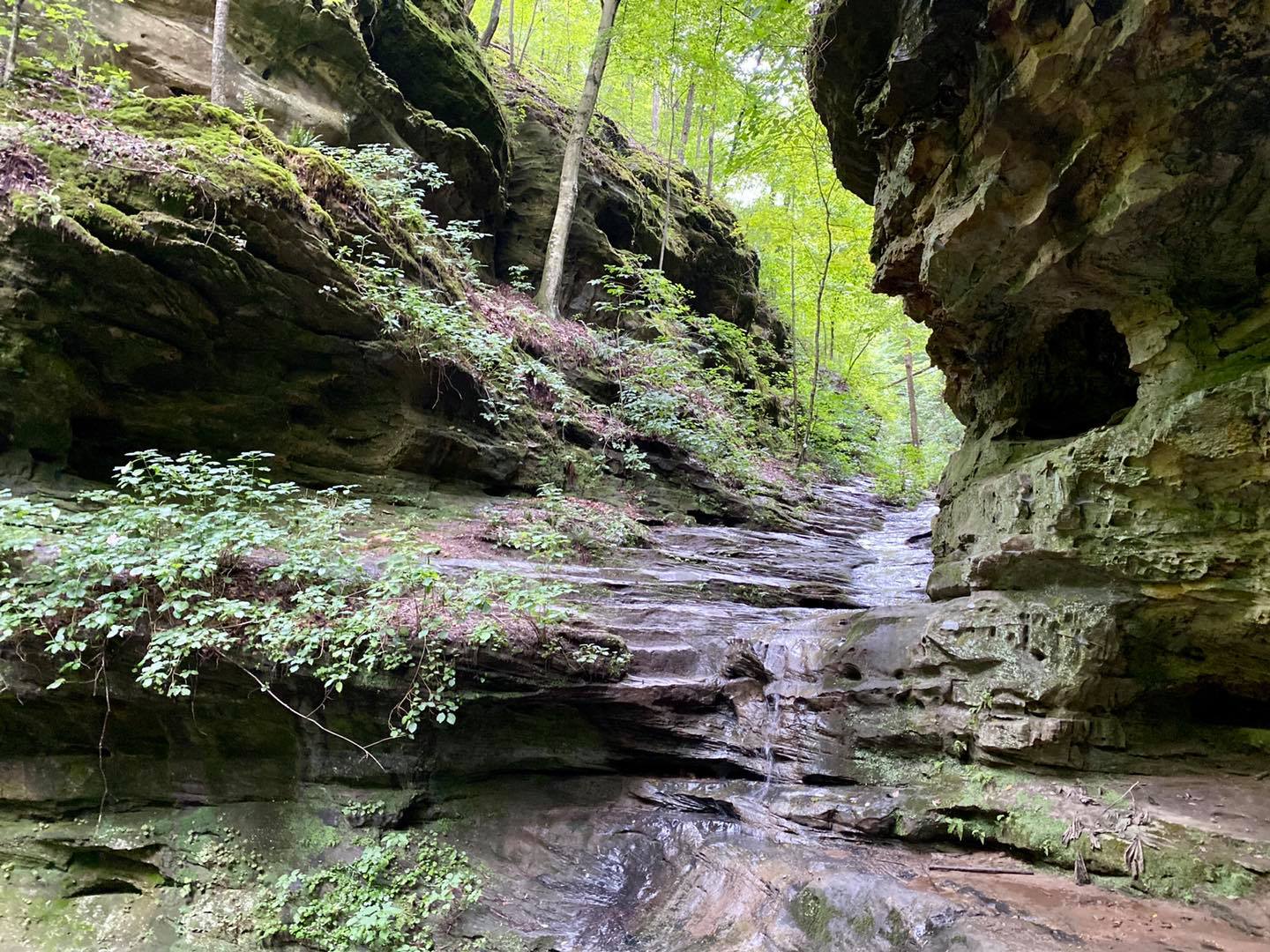
One of the understated advantages of our location is access to nature:
- Forests and trails for hiking
- Parks and quiet spaces for reflection
- Outdoor recreation that supports physical and social development
These resources reinforce that independence isn’t only academic — it’s holistic.