
A Personalized Academic Experience That Meets Students Where They Are
At Experience Options, our academic programs are designed to support each student’s unique learning style, pace, and goals.
For young adults who are capable of more, but not yet ready to manage college or adult expectations alone.

This Is Not Traditional Academics — It’s Preparation for Adult Life
Instead, the academic program focuses on helping students understand how they learn, use effective strategies, build executive functioning, and apply those skills in college, vocational training, and everyday adult life.
Students may participate in:
- OPTIONS-based academic instruction
- college coursework through local college partners
- executive functioning and study skills support
- speech and language support for communication and self-advocacy
- cognitive training through the Arrowsmith Program when appropriate
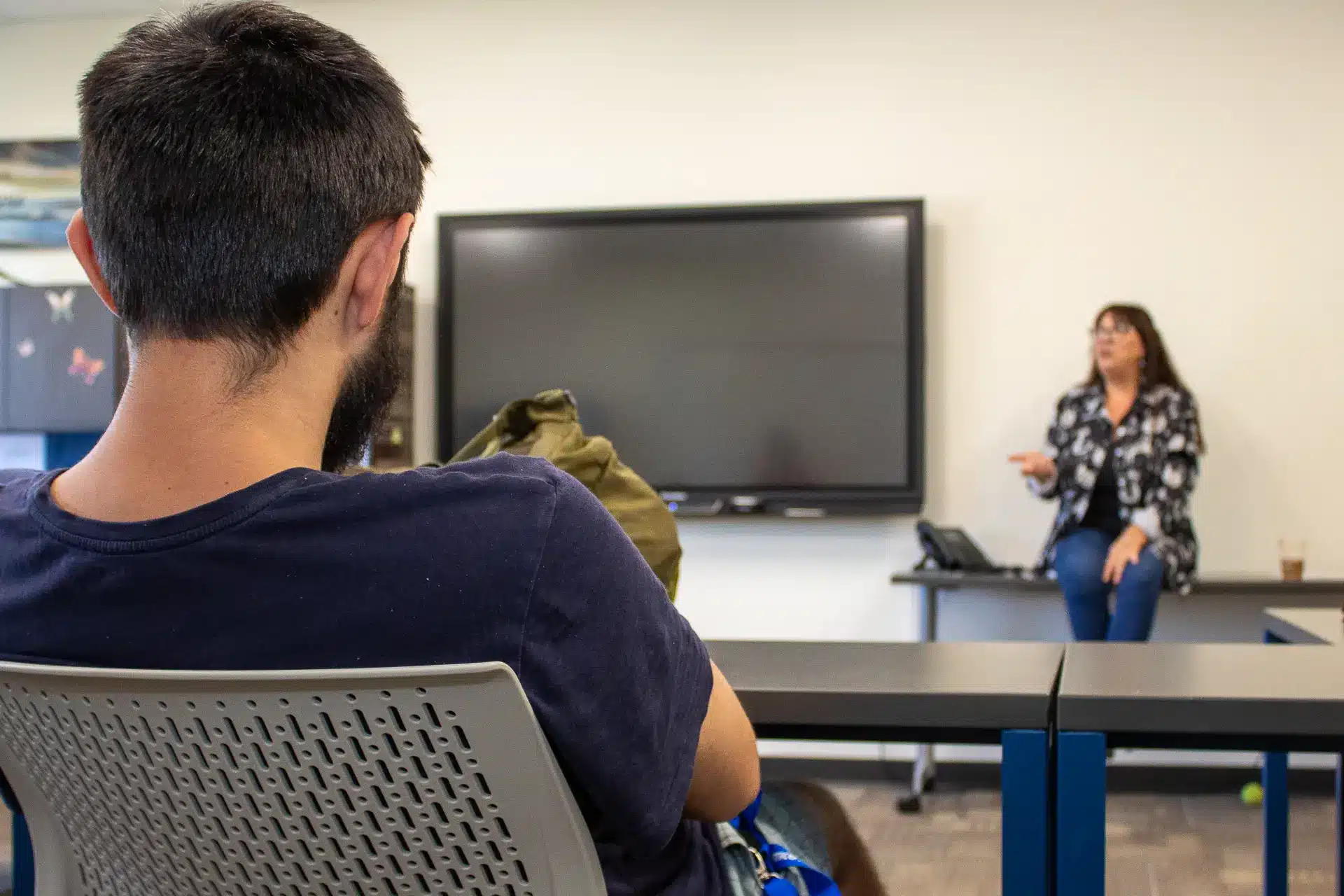
When a Student Is Bright, But the Usual Academic Path Has Not Worked
Many families come to OPTIONS after realizing that their young adult is capable, but still struggles to manage the academic demands of college, the organization required for adult life, or the self-advocacy needed to succeed without constant support.
Your student may need more than tutoring. They may need a structured academic transition program that connects learning strategies, communication, executive functioning, and daily accountability.
That is what academics at OPTIONS are designed to provide.
Students are supported without being overprotected. Expectations stay real. Support is intentional. Independence remains the outcome.
KEY AREAS OF SUPPORT

Comprehension & Written Expression

Practical & Functional Math

Academic Self-Advocacy

Technology & Organizational Systems
Instruction is applied, contextual, and reinforced across academics, independent living, and vocational experiences.
Two Academic Pathways Based on Readiness and Goals
All students begin with individualized planning. From there, academic programming is shaped around the student’s current readiness, long-term goals, and demonstrated performance.
College Transition Track
For students who are preparing for or participating in college coursework with structured support.
This pathway helps students build the academic habits and support systems required for success in a real college environment.
Support may include:
- Course planning and academic scheduling
- Understanding accommodations and documentation
- Workload management and organization
- Study strategies for college-level expectations
- Coaching and monitoring to reduce overwhelm
Vocational Academic Pathway
For students whose primary goals center on employment readiness and practical adult functioning.
This pathway focuses on building real-world skills that support independence, responsibility, and workplace success.
Support may include:
- Workplace skill development
- Practical problem-solving
- Communication and responsibility
- Executive functioning in real-world settings
- Application of skills in daily life and work environments
Integrated Academic Support Services
Academic growth at OPTIONS is reinforced by specialized supports that strengthen communication, learning efficiency, and independent performance.
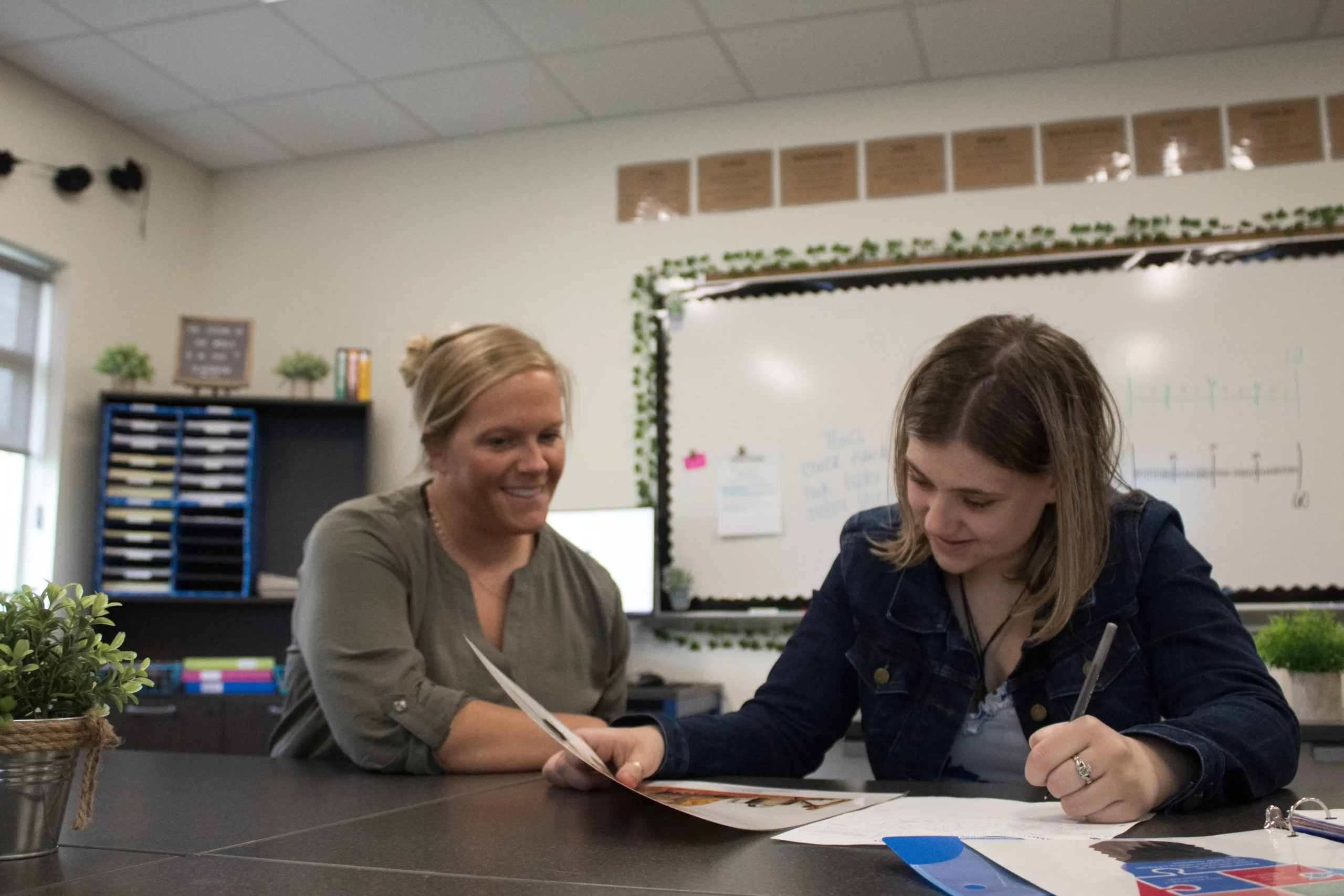
Study Skills and Executive Functioning Support
Students learn how to manage time, break down assignments, use planning systems, prepare for tests, organize materials, and follow through more consistently.
This instruction is built to help students move from dependence on reminders toward stronger self-management.
Academic progress is reinforced through our executive functioning and study skills program after high school.

Speech and Language Support
For many students, academic success depends not only on what they know, but on how they process language, organize thoughts, interpret communication, and advocate for themselves.
Speech and language support can help strengthen:
-
social and pragmatic communication
-
auditory processing and language organization
-
classroom and workplace communication
-
expressive clarity and self-advocacy
Many students also benefit from speech and language support for young adults with learning disabilities in academic and real-world settings.
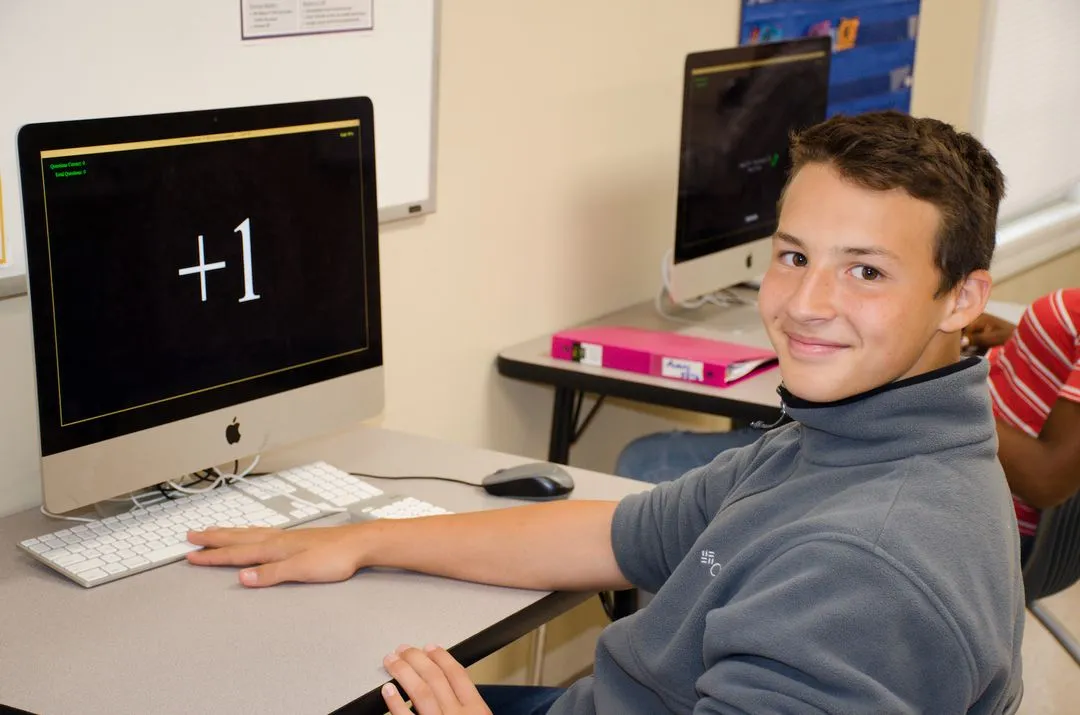
Arrowsmith Program for Qualifying Students
For students who are an appropriate fit, the Arrowsmith Program may be incorporated into the academic plan as an intensive cognitive training component.
This support is designed for students whose learning is significantly affected by underlying cognitive weaknesses related to processing, attention, memory, or learning efficiency.
For qualifying students, the Arrowsmith Program for young adults can strengthen cognitive processes that affect academic performance.
Academics Are Part of a Structured Bridge to Adulthood
At OPTIONS, academic support is not isolated from the rest of the student’s development.
Skills introduced in academic settings are reinforced through:
-
independent living routines
-
study hours and planning systems
-
speech and language sessions
-
vocational experiences and internships
-
team-based support across the week
This integrated structure helps students use what they learn in the places where independence actually matters.
Academic expectations are adapted within the three-phase transition program model used across the full OPTIONS experience.
Students also practice applying academic organization and responsibility within the independent living program for young adults with learning disabilities, where daily routines reinforce planning, responsibility, and self-management.
A College-Connected Learning Environment Without Full College Exposure Too Soon
For many families, the concern is not whether a student is intelligent enough for college. The concern is whether they are ready to handle college expectations independently.
OPTIONS gives students access to a college-connected environment while still providing structure, coaching, and accountability. That makes the academic program especially valuable for students who may not yet be ready for an unsupported college experience.
This is one of the page’s strongest national positioning opportunities because the current page already frames OPTIONS as academic support leading toward college, vocational training, and real-world application.
Why Families Trust the Academic Model at OPTIONS
OPTIONS should present a visible proof block here with concise authority points rather than burying them in general page copy.
Suggested bullets:
-
post-secondary academic support focused on adult outcomes
-
individualized academic planning based on student readiness and goals
-
two distinct pathways: college transition and vocational
-
integrated support across study skills, speech and language, and cognitive development
-
college-connected environment within a broader transition-to-independence model
This structure aligns with how the site currently presents academics, pathways, and integrated services.
What If My Student Has Struggled Before?
Many students arrive at OPTIONS after an unsuccessful college start, a difficult final stretch of high school, or years of underperformance that did not reflect their actual ability.
OPTIONS is designed for students who often need:
-
more structure
-
more consistency
-
more coaching around follow-through
-
stronger executive functioning systems
-
a better connection between support and real-life expectations
The purpose of the academic program is not to keep students dependent. It is to help them become more capable of managing adult demands with less support over time.
Families who want to explore whether the program is the right fit can review the admissions process for our post-secondary transition program or start a conversation with the admissions team.
Independence is developed gradually, with accountability, not assumed all at once.
Frequently Asked Questions
Is this the same as repeating high school?
No. The academic program is post-secondary and focuses on strategy development, executive functioning, self-advocacy, and preparation for adult learning environments rather than repeating a traditional high school model. The current page already makes this distinction by stating that OPTIONS is not a high school and that academics focus on skill development and transfer.
Do students take real college classes?
Some do. The current page states that students in the College Transition Track pursue college coursework with structured support.
What if my student is not ready for college yet?
That may still be a fit. Some students follow a more vocationally focused pathway while continuing to build academic and executive functioning skills. The current page explicitly presents both a College Transition Track and a Vocational Track.
How are academic skills reinforced outside the classroom?
The current page states that academic skills are reinforced through independent living, vocational experiences, speech and language sessions, and executive functioning coaching.
How do I know whether this program is the right fit?
The best next step is to start a conversation with the admissions team so your family can discuss your student’s readiness, goals, and support needs.
Explore Whether OPTIONS Is the Right Academic Next Step
If your young adult needs more than tutoring, but is capable of meaningful growth in college, work, and adult life, OPTIONS may provide the structured academic support that bridges the gap.
A clearer path forward starts with understanding fit, not forcing another failed transition.