OPTIONS | Transitions to Independence
A Structured Bridge to Independent Adulthood
Post-Secondary Transition Program for Young Adults With Learning Disabilities
OPTIONS is a structured, college-connected transition program helping neurodiverse young adults ages 18–25 build the academic, vocational, communication, and independent living skills required for adult life. If your student is capable but not yet independent after high school, OPTIONS provides coordinated support and real-world practice designed to help them move forward.
A confidential first conversation about readiness, support needs, and program fit.
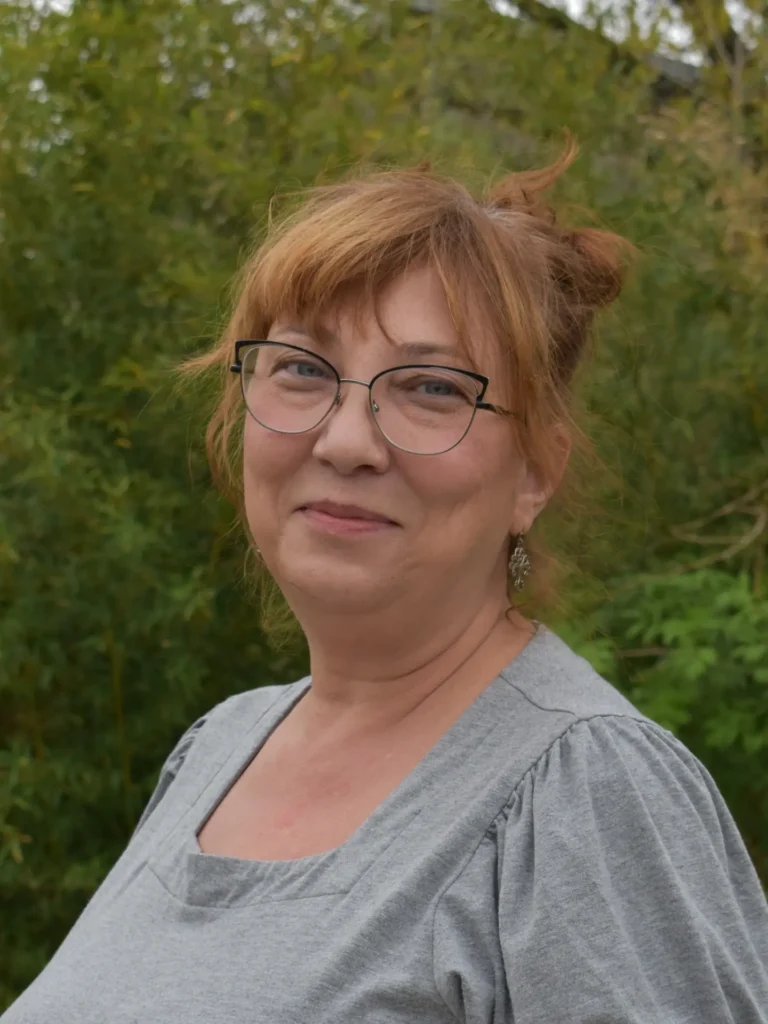
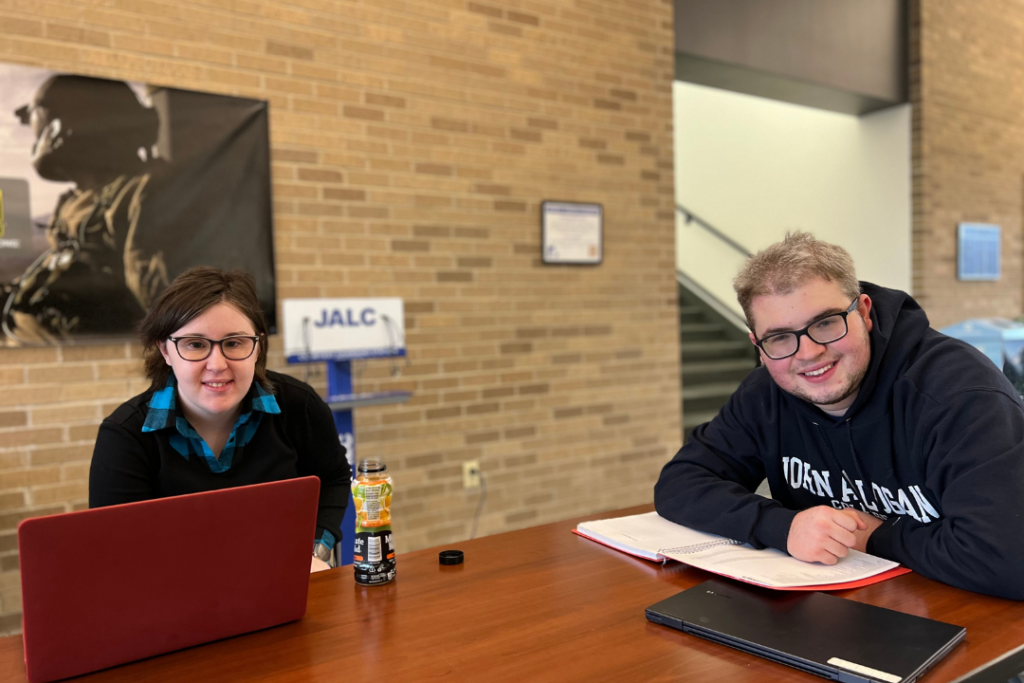
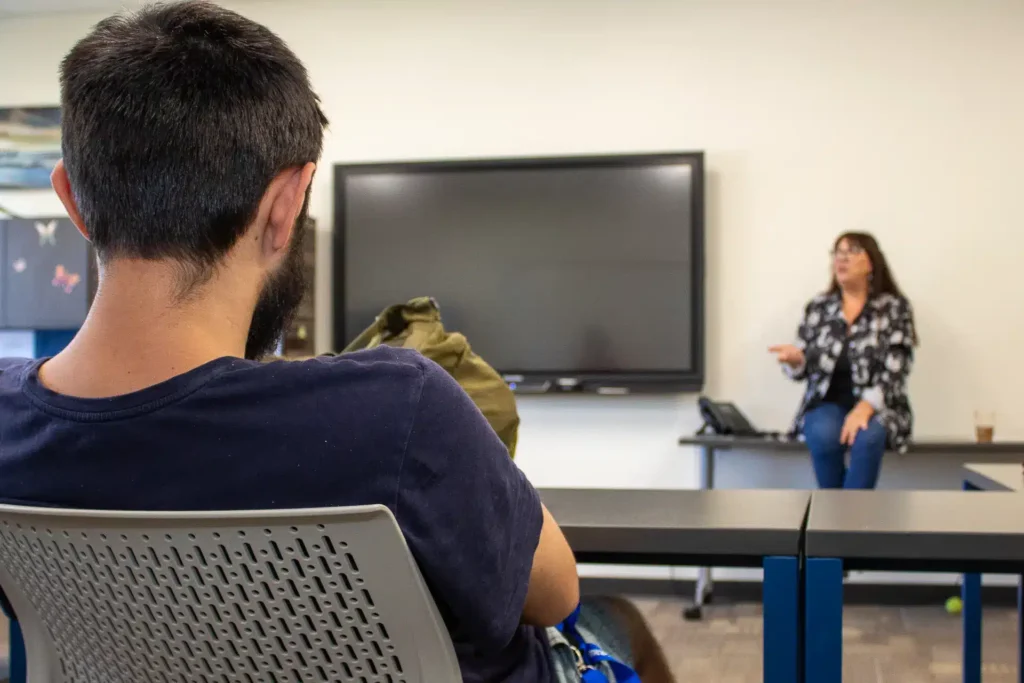
After High School, Ability Does Not Automatically Become Independence
Many capable young adults leave high school with academic ability but without the consistent systems needed to manage schedules, follow through on responsibilities, advocate for themselves, navigate work expectations, and maintain daily routines. OPTIONS provides a structured bridge between high school and adult life so these skills can be practiced repeatedly in real environments rather than expected all at once.
Independence Is Built Across Four Connected Areas
Academic readiness, vocational development, communication and self-advocacy, and independent living are intentionally connected. A planning strategy learned in class may also be used to arrive at an internship on time, manage a grocery trip, communicate with a supervisor, or prepare for a college assignment. This integrated model helps students transfer skills across settings instead of succeeding only when a particular staff member is present.
Real Environments. Real-Life Experience.
Students practice adulthood in apartment-style housing, college environments, community workplaces, transportation systems, recreational settings, and the broader Carbondale community. Support is present, but the environment is real. The goal is to help each student achieve a personal level of sustainable independence through experience, repetition, feedback, and gradually increasing responsibility.
A Program Built Around Real Adult Life
College, Work, Home and Community — Connected
OPTIONS is designed for young adults who need more than a classroom-only program. Students practice academic skills, employment readiness, communication, self-management and independent living in the environments where those skills must eventually work. The result is a structured bridge between high school and a more independent adult life.
- College-connected learning and academic coaching
- Community-based vocational experiences and workplace preparation
- Apartment-based instruction in daily living and self-management
- Support that changes as competence and readiness increase
Explore the OPTIONS System
Go Deeper Into This Part of the Program
Each area is connected to the same goal: helping students build a personal and sustainable level of independence.
Three-Phase Program Model
See how support changes from Standard to Modified to Extension as students demonstrate greater independence.
Explore the Three-Phase Model →Academic & College Support
Build executive functioning, learning strategies, self-advocacy, and readiness for real post-secondary coursework.
Explore Academic Support →Vocational Development
Move from career exploration toward internships, supported employment, and greater workplace independence.
Explore Vocational Training →Independent Living
Practice cooking, budgeting, organization, wellness, routines, and responsibility in real living environments.
Explore Independent Living →Admissions & Program Fit
Understand readiness, records review, visits, application steps, and how the team evaluates mutual fit.
Explore Admissions →The Transition Gap
After High School, Ability Does Not Automatically Become Independence
Many students graduate understanding their learning differences but have not yet developed reliable systems for managing adult expectations independently.
- Planning and organization
- Time management and task initiation
- Communication and self-advocacy
- College or workplace follow-through
- Daily routines and decision-making
- Balancing responsibilities independently
A Structured Bridge to Adulthood
Independence Is Not Simply Expected. It Is Built.
Students practice adult responsibilities across school, work, home, and community life while support decreases as readiness grows.
One Integrated System
Independence Is Built Across Four Connected Areas
Academic Readiness
Executive functioning, study systems, self-advocacy, and readiness for college or training.
Vocational Development
Career exploration, internships, coaching, and workplace skill development.
Independent Living
Cooking, budgeting, organization, transportation, and daily responsibility.
Communication
Integrated speech-language and self-advocacy support across real adult settings.
Progressive Independence
A Three-Phase Model Where Support Fades as Skills Grow
Standard Phase
High structure and frequent guidance establish routines, accountability, and foundational skills.
Modified Phase
Students take greater ownership while continuing to receive coaching and oversight.
Extension Phase
Students manage college, employment, and independent living with reduced direct support.

The OPTIONS Environment
Independence Built in a Real College-Town Community
Real Environments. Real-Life Experience.
- Southern Illinois University community
- John A. Logan College coursework
- Apartment-style student living
- Community internships and employers
- Public transportation systems
- Recreation and community life in Southern Illinois
Independence Is Practiced in Real Life
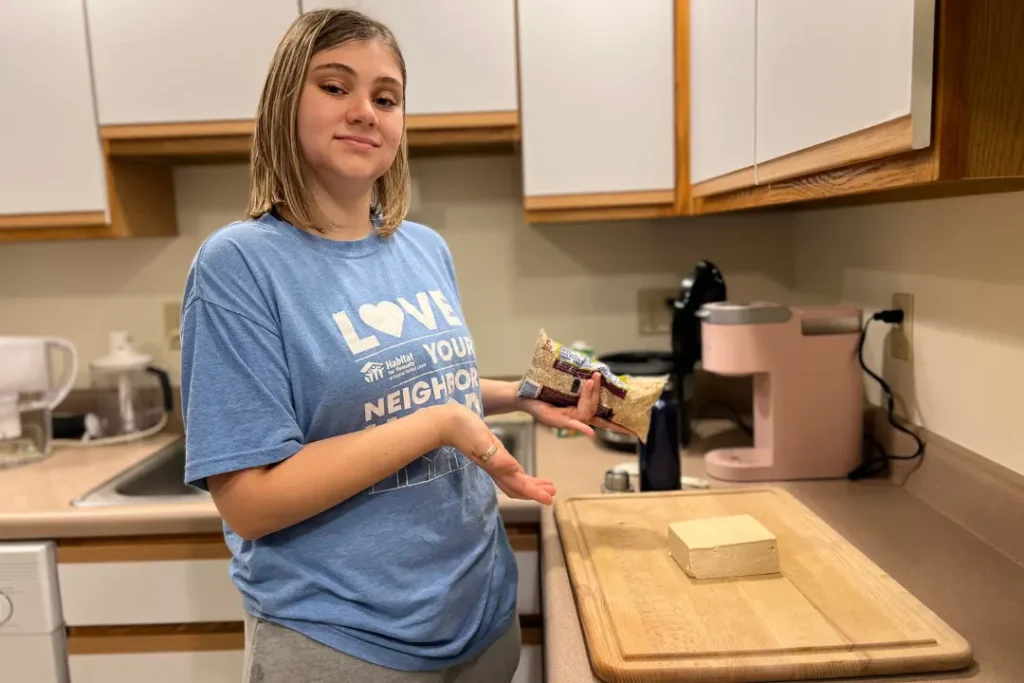
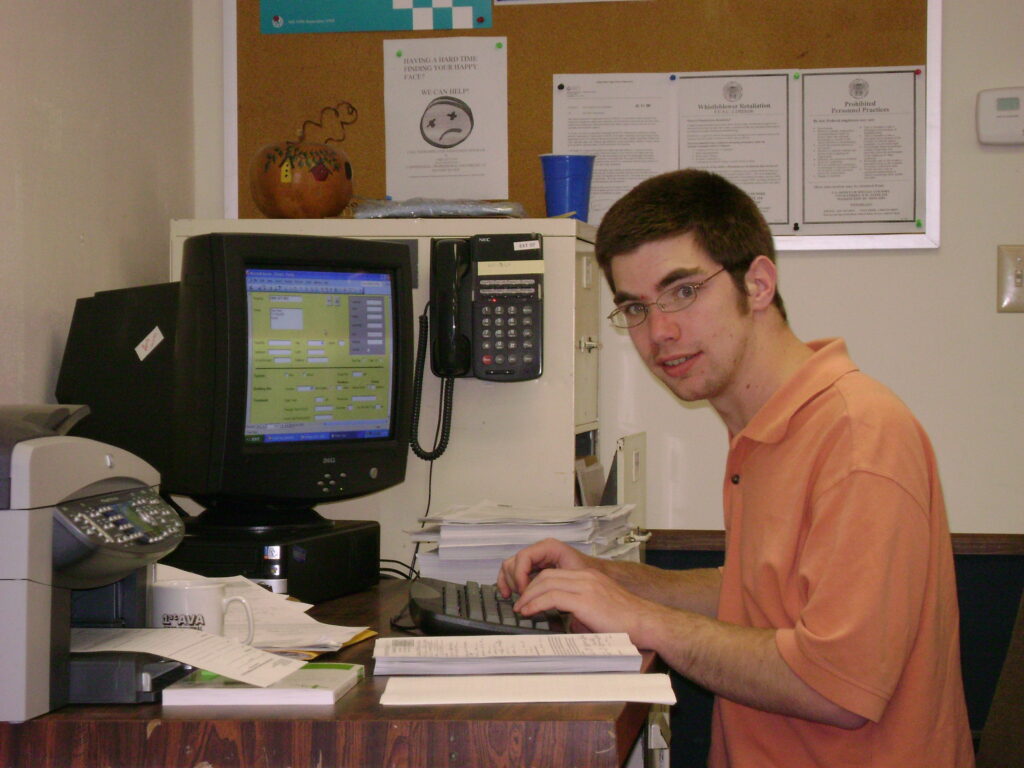
OPTIONS impacted my life in a big way. I live on my own and use the strategies I learned to find solutions for my daily issues.
Cassidy, Former Student
A Thoughtful Next Step
Together, Explore Whether OPTIONS Is the Right Fit
Choosing what comes after high school can feel uncertain when a young adult is capable but still needs structure. OPTIONS helps families understand readiness, support needs, and a realistic path toward greater independence.
Connected Support
How This Connects Across OPTIONS
Students progress through a structured three-phase progression, detailed in our three-phase transition program model.
Academic growth is reinforced through our college support pathways for students with learning disabilities.
Employment readiness develops through our vocational training program for young adults with learning differences.
Daily routines become opportunities for growth within our apartment-based independent living program.
Families begin the process through a guided post-secondary transition program admissions process focused on readiness and fit.
Start a Conversation
A Clearer Path Forward Starts With Understanding Fit
OPTIONS does not expect independence all at once. An admissions conversation is a practical first step to understand readiness, support needs, and whether the program aligns with your student.
Admissions Conversation
Begin with a confidential conversation focused on fit, not pressure.
Start a ConversationQuestions about readiness, timing, academics, living, or vocational pathways are welcome.
admissionsinfo@brehm.org