
Explore OPTIONS
Admissions conversation →OPTIONS | Transitions to Independence
Institutional History
A Legacy of Building Independence
For more than three decades, OPTIONS has helped young adults with learning differences move from structured educational environments toward greater adult independence.
How the Model Evolved
OPTIONS developed from a need for continued transition support after high school for young adults with learning differences who were not yet ready for fully independent college, employment, or living. Over more than three decades, that need shaped a program centered on structured support, individualized planning, and real-world application.

From Early Transition Programming to Community Integration
The program evolved beyond academic support into an integrated model spanning college access, vocational development, communication, apartment-based living, recreation, health and wellness, and community participation. The central philosophy has remained consistent: independence is built through experience, accountability, and support that changes as readiness grows.

Experience Matters When Families Are Evaluating Transition Programs
Families are not only comparing services; they are evaluating institutional stability, staff experience, program maturity, and whether a school understands the long process of moving from structured education toward sustainable adult independence.
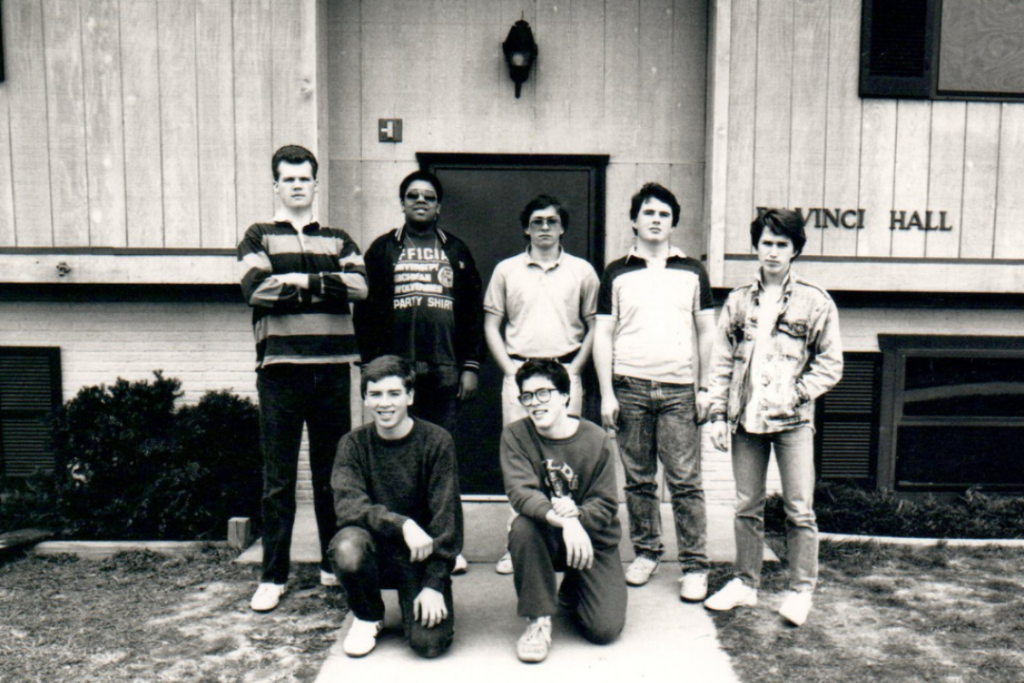
A Longstanding Transition Mission
Built to Continue the Work After High School
OPTIONS developed to serve young adults who had completed high school but still needed structured opportunities to strengthen academic, employment, independent living and social skills. That transition focus remains central: students are supported while they practice the responsibilities of college, work, home and community life.
- A post-secondary focus rather than a continuation of high school
- Individualized learning based on performance and expressed interests
- Integrated academic, vocational and living-skill development
- A mission centered on recognizing and optimizing individual potential
Timeline
From Brehm Foundations to a Real-World Transition Model
How the Model Evolved
Brehm Foundations
The need for continued support after high school emerged from work with students at Brehm Preparatory School.
Post-Secondary Bridge
OPTIONS developed to address academics, employment, communication, and adult responsibility after graduation.
Community Integration
Students increasingly practiced independence through apartments, colleges, workplaces, and Carbondale.
Integrated Model Today
Academic, vocational, communication, and independent living supports operate as one coordinated system.
From Early Transition Programming to Community Integration
Start a Conversation
A Clearer Path Forward Starts With Understanding Fit
OPTIONS does not expect independence all at once. An admissions conversation is a practical first step to understand readiness, support needs, and whether the program aligns with your student.
Admissions Conversation
Begin with a confidential conversation focused on fit, not pressure.
Start a ConversationQuestions about readiness, timing, academics, living, or vocational pathways are welcome.
admissionsinfo@brehm.orgConnected Support
How This Connects Across OPTIONS
The history of OPTIONS helps explain the program’s structured bridge-to-adulthood approach.
Decades of transition work informed the current three-phase progression model.
The program now integrates a comprehensive academic support pathway.
Employment readiness is developed through a community-based vocational pathway.
Adult responsibility is practiced through apartment-based independent living.
Start a Conversation
A Clearer Path Forward Starts With Understanding Fit
OPTIONS does not expect independence all at once. An admissions conversation is a practical first step to understand readiness, support needs, and whether the program aligns with your student.
Admissions Conversation
Begin with a confidential conversation focused on fit, not pressure.
Start a ConversationQuestions about readiness, timing, academics, living, or vocational pathways are welcome.
admissionsinfo@brehm.org