OPTIONS | Transitions to Independence
Real-World Independence
Independent Living Program for Young Adults With Learning Disabilities
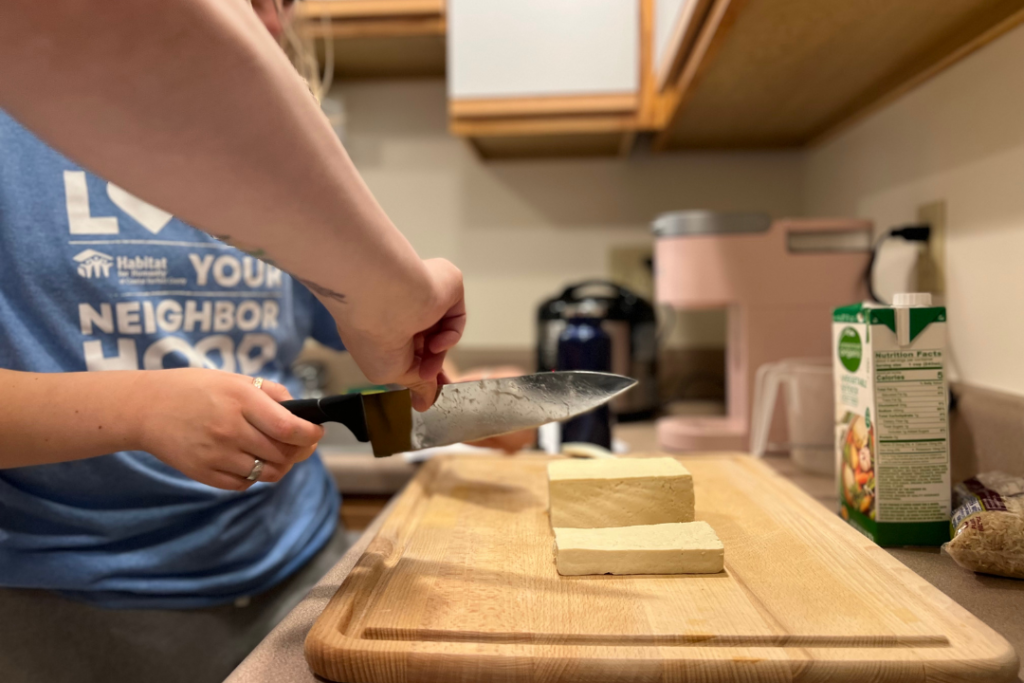
Students practice cooking, budgeting, organization, personal routines, transportation, communication, and decision-making in real apartment-style environments.
Independent Living Skills Students Develop
Independent living instruction includes meal planning and preparation, cleanliness and organization, recreation, study routines, fiscal management, personal wellness, and household responsibility. Students practice these skills in real living environments with direct instruction and coaching that decreases as competence grows.
Support Changes as Readiness Grows
Students are expected to plan meals, grocery shop, maintain personal and shared spaces, manage schedules, participate in study hours when needed, and develop financial responsibility. As students progress through Standard, Modified, and Extension phases, assistance decreases so responsibility shifts toward the student in a deliberate and measurable way.
Families Remain Partners While Students Take More Ownership
Family communication and program planning help parents understand where a student is progressing and where support is still needed. The goal is to keep families informed while helping the young adult assume more responsibility for decisions, routines, and problem-solving.
The Apartment Is Part of the Classroom
Practice the Routines That Make Independence Sustainable
Independent living at OPTIONS turns everyday responsibilities into structured opportunities for growth. Students practice self-management, fiscal management, menu planning, grocery shopping, meal preparation, personal hygiene, laundry, time management, organization, communication, recreation and relationship skills. Expectations increase as students demonstrate competence.
- Meal planning, grocery shopping and cooking
- Laundry, personal care and household responsibility
- Budgeting, scheduling, organization and time management
- Increasing responsibility as students move through program phases
Explore the OPTIONS System
Go Deeper Into This Part of the Program
Each area is connected to the same goal: helping students build a personal and sustainable level of independence.
Daily Living Skills
Build reliable routines for cooking, groceries, household management, self-care, budgeting, scheduling, and problem-solving.
Explore Daily Living Skills →Recreation & Community Life
Practice responsible free-time management, planning, budgeting, transportation, social participation, and personal balance.
Explore Recreation & Community Life →Executive Functioning
Use planning, organization, calendars, time management, and follow-through systems across everyday adult responsibilities.
Explore Executive Functioning →Phase-Based Progression
See how independent living expectations change as students move from direct instruction toward supported launch.
See the Three-Phase Model →Independent Living Skills Students Develop
Daily Routines
Personal care, laundry, organization, apartment cleanliness, and consistent habits.
Meal Planning
Planning meals, grocery shopping, budgeting, food preparation, and kitchen safety.
Financial Awareness
Managing spending, grocery allowances, necessities, and everyday responsibility.
Time and Responsibility
Balancing classes, work, appointments, recreation, and apartment responsibilities.
Progressive Independence
A Three-Phase Model Where Support Fades as Skills Grow
Standard Phase
High structure and frequent guidance establish routines, accountability, and foundational skills.
Modified Phase
Students take greater ownership while continuing to receive coaching and oversight.
Extension Phase
Students manage college, employment, and independent living with reduced direct support.
Daily Practice Builds Adult Capability

Start a Conversation
A Clearer Path Forward Starts With Understanding Fit
OPTIONS does not expect independence all at once. An admissions conversation is a practical first step to understand readiness, support needs, and whether the program aligns with your student.
Admissions Conversation
Begin with a confidential conversation focused on fit, not pressure.
Start a ConversationQuestions about readiness, timing, academics, living, or vocational pathways are welcome.
admissionsinfo@brehm.orgConnected Support
How This Connects Across OPTIONS
Apartment-based practice is a core part of the OPTIONS post-secondary transition program.
Students build routines through focused daily living skills development.
Community participation expands through our recreation and adult leisure program.
Organization and time management are reinforced through executive functioning support.
Living expectations increase through the three-phase independence progression.
Start a Conversation
A Clearer Path Forward Starts With Understanding Fit
OPTIONS does not expect independence all at once. An admissions conversation is a practical first step to understand readiness, support needs, and whether the program aligns with your student.
Admissions Conversation
Begin with a confidential conversation focused on fit, not pressure.
Start a ConversationQuestions about readiness, timing, academics, living, or vocational pathways are welcome.
admissionsinfo@brehm.org